


Healthcare business management salary 2026 is drawing attention from professionals seeking leadership roles in hospitals, clinics, and health tech. Understanding this field’s pay structure, career growth, and influencing factors is essential if you want to maximize your earnings while contributing to patient care and organizational efficiency. This guide dives into salary ranges, experience impacts, regional differences, benefits, and educational paths to give you a complete picture of this rewarding career.
What Does a Healthcare Business Manager Do?
A healthcare business manager oversees the daily operations of healthcare organizations, balancing administrative tasks with strategic leadership. They ensure departments run efficiently, budgets are maintained, and healthcare policies are followed. Their role touches both patient care and organizational success, making them central to hospitals, clinics, and health tech firms.
These managers handle staff supervision, operational planning, and financial oversight. They coordinate teams, implement policy updates, and introduce new healthcare technologies to improve efficiency. With the increasing demand for well-managed healthcare systems, understanding business management roles in healthcare organizations in 2026 helps professionals position themselves for growth and higher salaries.
Average Salary in Healthcare Business Management 2026
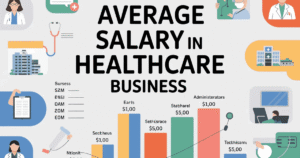
The healthcare business management average salary in the USA in 2026 shows strong growth, reflecting both responsibility and expertise. In 2026, pay ranges vary widely based on experience, location, and organizational size, but the field remains highly competitive with long-term earning potential.
Compared to previous years, salaries have increased steadily due to rising healthcare needs and the complexity of managing modern facilities. Emerging salary trends in healthcare business management careers indicate a growing premium for leadership skills, advanced degrees, and experience in health tech systems.
Average Annual Salary by Region
| Region | Average Salary (USD) | Notes |
|---|---|---|
| East | $90,000 – $155,000 | High demand in urban hospitals |
| West | $88,000 – $150,000 | Cost of living impacts pay |
| South | $80,000 – $140,000 | Smaller hospitals offer lower salaries |
| Midwest | $85,000 – $145,000 | Mix of large and small facilities |
Regional healthcare business management salaries in the United States show significant differences due to cost of living, demand for healthcare services, and organizational budgets. Coastal urban areas often pay more, while rural regions may offer smaller but steady salaries.
Salary by Experience Level
Experience directly affects compensation in healthcare business management. Entry-level managers start with moderate pay, while executive positions in large hospitals or health tech can earn top-tier salaries. Understanding salary differences by healthcare manager experience level helps set realistic career expectations.
Experience allows professionals to take on more responsibilities, lead larger teams, and influence strategic decisions. This progression directly translates into higher pay, demonstrating that skill development and tenure are crucial in maximizing executive healthcare management compensation trends 2026.
Entry-Level (0–2 Years)
Entry-level healthcare business manager pay in 2026 typically ranges from $55,000 to $80,000 annually. Professionals start as coordinators or assistant managers, learning operational workflows and basic budget management while gaining exposure to healthcare regulations and staff supervision.
Mid-Level (3–7 Years)
Mid-level managers earn between $85,000 and $120,000. They supervise departments, implement policies, and oversee budget allocation. Their experience enhances their ability to optimize operations, impacting both patient outcomes and organizational efficiency.
Senior-Level (8–15 Years)
Senior managers earn $120,000 to $170,000. They focus on strategic planning, financial oversight, and cross-departmental leadership. Their role often includes mentoring mid-level managers and shaping long-term healthcare initiatives.
Executive-Level (15+ Years)
Executive positions, such as COO or VP of healthcare management, command $170,000 to $250,000+. These leaders direct organizational strategy, manage high-level policies, and oversee large hospital systems or healthcare corporations. A healthcare business manager’s salary with an MBA or MHA tends to peak at this stage.
Key Factors That Affect Salary
Several elements determine pay for healthcare business managers, including education, organization type, location, skills, and responsibilities. Factors influencing pay for healthcare business managers are crucial for career planning.
Education & Degrees
Advanced degrees, such as an MBA or MHA, increase earning potential significantly. Higher education equips managers with strategic, financial, and operational skills, making them eligible for top-paying positions. What education is required for higher-paying healthcare management roles often includes these graduate degrees.
Type of Organization (Hospital, Pharma, Health Tech)

Hospitals, pharmaceutical companies, and health tech firms offer varying salaries. Large hospitals typically pay more than small clinics, while private health tech firms may offer performance-based bonuses and stock options. Healthcare management salary by hospital type reflects these differences.
Location and Regional Differences
Geography affects pay, with urban centers offering higher wages due to increased living costs and demand for skilled managers. Which states pay the highest healthcare business management salaries are often New York, California, and Massachusetts, while midwestern states may offer modest but stable pay.
Experience & Skill Set
Managers with financial, analytical, and strategic planning skills earn more. Proficiency in electronic health record systems and data analytics enhances value. Which skills make healthcare managers earn more can significantly boost compensation over time.
Scope of Responsibilities
Managers overseeing larger teams, budgets, or multiple departments naturally earn higher salaries. Responsibilities in strategic planning, policy implementation, and operations directly influence compensation.
Job Market Trends for Healthcare Business Management in 2026
The 2026 job market affects healthcare management salaries as demand for skilled leaders grows. Aging populations, expanding healthcare facilities, and health tech adoption drive employment opportunities and salary increases.
Emerging roles in health analytics, telemedicine management, and policy compliance are shaping compensation trends. Organizations are seeking managers with versatile skill sets, impacting salary growth for senior healthcare administrators in 2026.
Employment Outlook and Demand
Demand is strong for managers who combine healthcare expertise with leadership skills. High growth exists for those with experience in analytics, operational efficiency, and patient-centered strategies. Why healthcare business management is a high-demand career in 2026 is clear in both salary and job stability.
Benefits Beyond Salary
Beyond base pay, managers enjoy benefits and perks included in healthcare business management salaries, such as healthcare coverage, retirement plans, and profit-sharing. Bonuses and performance incentives are common in hospitals and health tech organizations.
These perks enhance overall compensation and make healthcare business management a desirable career. What benefits are included besides salary for healthcare managers often extend to professional development and networking opportunities.
Education & Certifications That Boost Salary
Degree Requirements for Top Roles
Bachelor’s degrees in healthcare administration or business are entry points, while MBAs or MHAs increase earning potential. How to increase healthcare management salary with advanced degrees often involves combining formal education with real-world experience.
High-Value Certifications and Skills
Certifications like FACHE or PMP, along with healthcare analytics proficiency, boost salary prospects. How certifications affect healthcare business management salaries demonstrates the tangible value of continued professional development.
Comparison With Similar Careers
Comparing healthcare business management salary vs hospital administrator salary, business managers earn slightly less in entry-level roles but can surpass administrators at executive levels. Average pay for healthcare management positions in large hospitals shows competitive advantages for strategic business roles.
Private vs public sector pay also varies, with private organizations often offering higher incentives. Pay ranges for healthcare managers in the private vs public sectors highlight these differences.
Is Healthcare Business Management a Good Career in 2026?
Healthcare business management provides stability, growth, and leadership opportunities. Professionals who enjoy operational planning, team management, and strategic decision-making thrive in this career. What is the healthcare business management salary in 2026 reflects not only high pay but also long-term growth and professional satisfaction.
Ideal candidates are analytical, adaptable, and ready to advance through certifications and higher degrees. Those who should consider this career path include both healthcare enthusiasts and business-minded individuals.
Conclusion
The Healthcare Business Management Salary 2026 represents a rewarding path combining financial, operational, and leadership growth. Salaries vary by experience, location, organization, and education.
With a growing healthcare sector, strong leadership skills, and continued learning, professionals can achieve high-paying roles, meaningful impact, and career stability in 2026 and beyond.
FAQ’s
What does a business manager do in healthcare?
A healthcare business manager oversees operations, budgets, and staff while ensuring policies are followed. They improve patient care efficiency and organizational performance. Essentially, they balance healthcare delivery with strategic management.
What is the highest-paying job in business management?
Top-paying roles are executive positions like COO, CEO, or VP of Healthcare Management. Salaries range from $170,000 to $250,000+ annually. Advanced degrees and extensive experience boost compensation.
What can you do with a business management degree in healthcare?
You can manage hospitals, clinics, or health tech operations, oversee staff and budgets, and lead strategic projects. Advanced degrees or certifications open executive opportunities. The degree combines healthcare knowledge with business skills
