

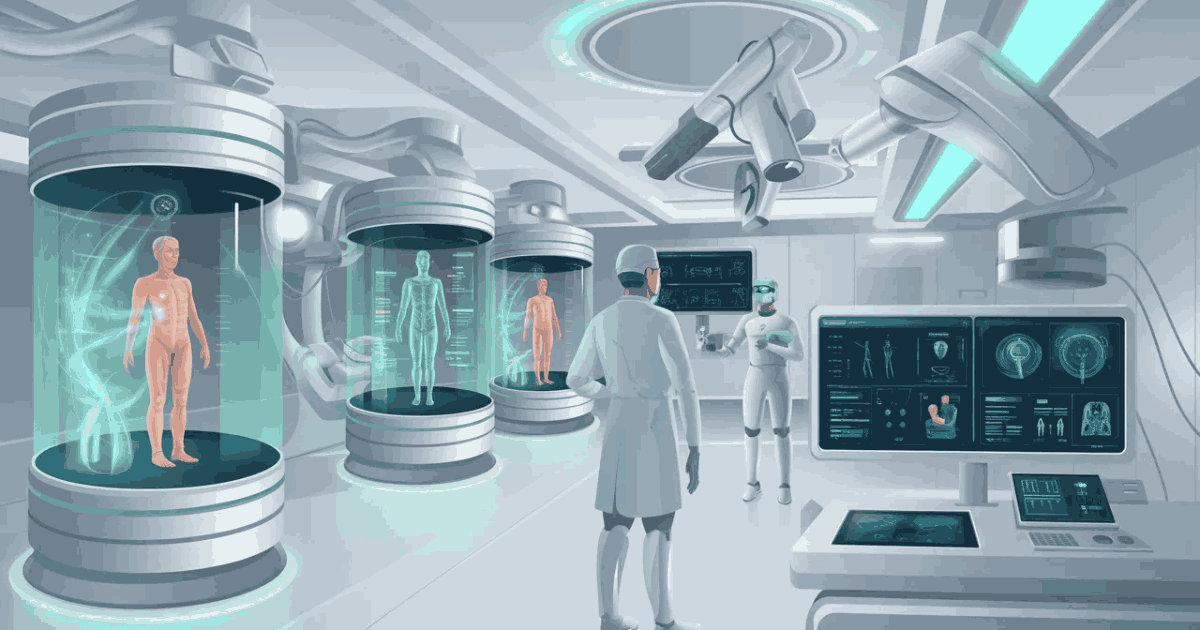
Aging at home once meant compromise. Families worried. Seniors’ delayed care. Help arrived too late. Today, that picture looks very different. How future healthcare technology is elevating at-home care is no longer a theory. It is happening inside American homes every day. This shift explains how modern healthcare technology improves seniors’ quality of life without compromising their independence or comfort.
Across the country, older adults want to stay home. They want safety without control. Technology finally respects that wish. From quietly monitoring health to remotely connecting families, this change shows how future healthcare technology supports aging Americans at home in practical and deeply human ways.
Why At-Home Care Is Evolving Through Future Healthcare Technology
Healthcare in the United States was built around hospitals. That system struggles with long-term aging needs. Seniors live longer now. Many manage chronic conditions daily. Hospitals react. Homes support. That difference matters.
This is why healthcare technology for independent aging at home continues to grow. It moves care closer to daily life. Seniors receive help earlier. Families gain clarity. Providers avoid emergencies. This evolution proves why at-home healthcare is replacing frequent hospital visits for aging Americans.
How Future Healthcare Technology Is Changing At-Home Care in the U.S.
The U.S. healthcare system faces rising costs and a staffing shortage. At-home care fills gaps that hospitals cannot. Technology turns homes into safe care environments without clinical pressure. This is a key reason why future healthcare technology is elevating at-home care nationwide.
Policy support and Medicare expansion accelerate adoption. Families in the United States now rely on at-home healthcare technology to help seniors manage their health daily. Care becomes proactive. Problems get solved sooner. Outcomes improve.
Remote Health Monitoring as a Core Part of At-Home Care
Remote monitoring changed everything. Instead of rare checkups, care teams see health trends daily. Devices quietly track heart rate, movement, sleep, and weight. This explains how remote monitoring improves at-home care for seniors without burden.
These remote health monitoring solutions for elderly care detect risk early. Small changes trigger alerts. Doctors respond sooner. Hospital visits drop. Seniors feel protected, not watched.
Common At-Home Healthcare Technologies and Their Benefits
| Technology | Purpose | Key Benefit for Seniors | Example |
|---|---|---|---|
| Wearable Health Trackers | Monitor heart rate, sleep, and activity | Early risk detection, continuous monitoring | Fitbit, Apple Watch |
| Blood Pressure & Glucose Monitors | Track vital signs daily | Prevent emergencies, maintain health | Omron, Accu-Chek |
| Smart Medication Dispensers | Remind seniors to take meds | Reduce missed doses and errors | MedMinder, Hero |
| Telehealth Platforms | Virtual doctor visits | Access care without leaving home | Teladoc, Amwell |
| AI Health Apps | Analyze trends & patterns | Alert caregivers of potential issues | CarePredict, Kinsa |
AI in At-Home Healthcare: Supporting Caregivers, Not Replacing Them
AI does not replace doctors. It supports them. Systems analyze patterns humans miss. This shows how AI supports doctors in home healthcare safely and responsibly.
For caregivers, AI reduces stress. For seniors, it adds security. When used properly, AI in home healthcare for the aging population improves accuracy without removing human judgment.
Telehealth and Virtual Care for Aging Americans
Telehealth now feels normal. Seniors talk to doctors from home. No travel. No waiting rooms. These telehealth solutions for seniors living at home save time and reduce risk.
The biggest benefit is access. Video calls, voice visits, and messaging help those with mobility limits. These are clear benefits of telehealth for aging Americans who want fast guidance without stress.
Medication Management Technology: Preventing Serious Health Risks
Medication mistakes cause emergencies. Missed doses matter. Technology fixes this silently. Reminders, tracking, and alerts protect seniors daily.
This is how medication management technology prevents health risks for older adults. Families trust systems. Care stays consistent. Medication management technology for older adults significantly reduces hospital visits.
Connected Care Teams and Integrated Home Healthcare Systems
Care fails when communication breaks. Connected platforms solve that. Doctors, nurses, families, and caregivers see the same data.
These connected care systems for home healthcare reduce confusion. They explain how connected care teams improve senior healthcare outcomes through clarity and speed.
AI Chat Systems Making Health Guidance Safer for Seniors
Many seniors hesitate to ask questions. AI chat tools change that behavior. They answer clearly and patiently. Seniors feel confident.
These tools improve digital healthcare support for elderly patients and help families understand needs. They also help explain how families can monitor their seniors’ health remotely without feeling pressured.
Why Advanced Technology Frameworks Matter in Healthcare
Healthcare devices must work every day. Ideas from industry improve reliability. Systems self-check. Errors drop.
This approach strengthens modern home healthcare systems for seniors and ensures trust. At-home care depends on consistency, not complexity.
Data Security and Patient Trust in At-Home Care Technology
Health data must stay private. Seniors worry about access. That concern is valid. Strong encryption and access controls protect trust.
Good data security in at-home healthcare systems builds confidence. Families adopt tools more quickly when their privacy is respected.
Choosing the Right Software for Long-Term Home Healthcare
Software choices matter. Poor systems fail quietly. Strong platforms scale safely. This is why healthcare software platforms for at-home care need long-term planning.
Good software supports long-term home care technology solutions and adapts as health changes. Stability protects lives.
Real-World Example of At-Home Care Done Right
An older man lives alone with heart disease. His home system tracks daily health. Weight changes trigger alerts. A nurse adjusts medication early.
No emergency. No panic. This reflects the best healthcare technology for aging adults living alone in action.
Reducing Healthcare Costs While Maintaining Care Quality
Costs rise when care comes late. Technology prevents that. Early detection saves money and lives.
This is how technology reduces healthcare costs for elderly patients without cutting care. Timing changes everything.
What Families Should Look for in At-Home Care Technology
Families should choose simple systems. Alerts must explain clearly. Support must last for years.
Knowing what seniors should look for in home healthcare technology prevents mistakes and stress. Good tools feel invisible.
Key Factors Families Should Consider in At-Home Care Technology
| Factor | Why It Matters | Example/Tip |
|---|---|---|
| Ease of Use | Seniors adopt technology more easily | Large fonts, simple navigation |
| Data Security | Protects personal health information | HIPAA-compliant systems |
| Support & Maintenance | Ensures long-term functionality | Regular updates and 24/7 helpdesk |
| Integration | Works with existing healthcare systems | Connects with doctors and pharmacies |
| Adaptability | Can evolve as needs change | Software that updates for new devices |
Common Mistakes Families Make With Home Healthcare Technology
Families wait too long. They buy tools without guidance. Maintenance gets ignored.
These mistakes reduce value even with smart healthcare devices for aging Americans. Planning early makes care smoother.
Why This Shift in Healthcare Technology Truly Matters
This movement is about dignity. Seniors stay home longer. Families worry less.
It reflects the future of at-home healthcare in the United States and shows respect for aging lives.
Conclusion on How Future Healthcare Technology Is Elevating At-Home Care
The future of care lives at home. When people understand How future healthcare technology is elevating at-home care, decisions become calmer and smarter. Seniors stay independent. Families stay informed. Providers act earlier.
FAQ’s
What are the future technologies in healthcare?
Future healthcare technologies include AI-powered diagnostics, remote health monitoring, telehealth platforms, and smart devices that track patient health at home. These tools focus on early detection, better outcomes, and lower costs.
How is technology used in care homes?
Care homes use technology to monitor vital signs, manage medications, prevent falls, and connect residents with doctors through virtual visits. This improves safety while reducing staff workload.
What is the role of technology in improving health care?
Technology improves healthcare by enabling faster diagnosis, continuous monitoring, and better communication between patients and providers. It helps prevent emergencies instead of reacting to them.
What is the effect of new technologies on health care?
New technologies reduce hospital visits, improve patient safety, and lower healthcare costs. They also allow people to receive quality care while staying comfortable at home.
