

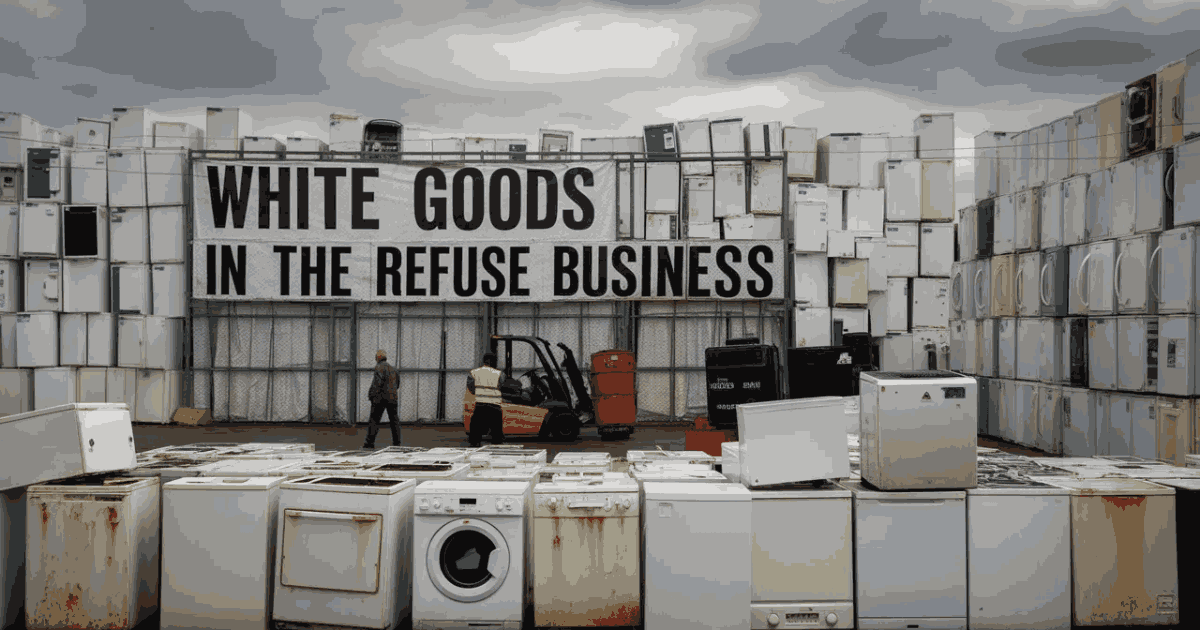
What White Goods Really Mean in Waste and Refuse Operations
Many people ask, What are white goods in the refuse business, and why do they matter so much today. White goods are large household appliances designed for daily use. These items include refrigerators, washing machines, dryers, ovens, and freezers. In refuse work, size alone is not the issue. The real concern lies in hazardous components in white goods appliances and how refuse teams manage them safely.
In handling white goods in refuse operations, workers must think beyond normal trash. These appliances often contain oils, refrigerants, wiring, and heavy metals. Because of this, why white goods need special disposal methods becomes very clear. Treating them like regular waste creates legal and environmental trouble fast.
Everyday Appliances That Quietly Fall Under White Goods
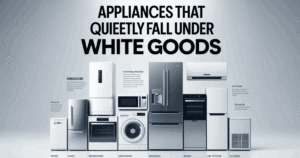
Most people recognize fridges and washers immediately. However, modern refuse crews also handle smart dishwashers, energy-efficient dryers, microwaves, and hybrid ovens. These devices often look harmless. Still, inside, they hold electronic boards and chemical coolants. This makes white goods disposal in waste management more complex than it was ten years ago.
Understanding how white goods are handled in the refuse business helps operators avoid mistakes. Appliances with screens or sensors are still white goods. Many crews confuse them with electronics. That confusion causes delays, fines, and unsafe handling.
Why the Definition Has Shifted in 2025
In 2025, white goods are no longer simple metal boxes. Technology has changed them. Smart controls, lithium parts, and sensors now sit inside common appliances. This change directly impacts the white goods recycling process in 2025 and forces operators to rethink old methods.
Because of these changes, the white goods waste management regulations 2025 are stricter. Refuse companies must classify items correctly. Misclassification increases risk. Understanding updated definitions protects both workers and businesses.
Common White Goods and Their Disposal Considerations
| White Goods Appliance | Common Use | Disposal Concern | Recycling Potential |
|---|---|---|---|
| Refrigerator | Food storage | Refrigerants and gases | High metal recovery |
| Washing Machine | Laundry cleaning | Heavy metal parts | Steel and motors are reusable |
| Dryer | Clothes drying | Electrical components | Copper wiring recovery |
| Oven / Cooker | Cooking food | Heat insulation materials | Scrap metal value |
| Dishwasher | Dish cleaning | Water pumps and wiring | Mixed material recycling |
| Air Conditioner | Cooling spaces | Hazardous coolants | High-value metals |
White Goods vs Other Waste Streams: Where Businesses Get It Wrong
White Goods Compared to Brown Goods and General Scrap
The difference between white goods and brown goods still confuses many operators. White goods focus on functions like cleaning, cooling, or cooking. Brown goods focus on entertainment and communication, such as TVs or computers. Mixing them causes recycling failures.
When scrap yards receive mixed loads, sorting costs rise. That is why white goods cannot go in regular trash is more than a rule. It is a safety and cost issue.
Items Commonly Misclassified on Collection Sites
Air conditioners, smart ovens, and commercial freezers are often misclassified. Crews sometimes label them as scrap metal or e-waste. This mistake disrupts white goods processing and resource recovery and slows the entire chain.
Knowing how to identify white goods during waste collection saves time. Size, insulation, compressors, and internal piping are clear signs. Training crews to spot these features reduces errors.
How Mislabeling Impacts Costs, Compliance, and Safety
Mislabeling leads to fines, rework, and lost revenue. Penalties for improper white goods disposal can include heavy fines and license suspension. Injuries also increase when heavy appliances are handled without proper planning.
Understanding common mistakes in white goods waste handling helps businesses avoid shutdowns. Correct labeling protects workers and keeps operations legal.
Why White Goods Are a Big Deal in Modern Refuse Management
Environmental Risks Hidden Inside Large Appliances
The environmental impact of white goods disposal is serious. Refrigerants harm the ozone layer. Oils leak into soil. Plastics break down into micro-waste. One wrongly dumped fridge can pollute large areas.
This is why how hazardous materials are removed from white goods is tightly regulated. Certified removal protects land, water, and air.
Legal Pressure and Compliance Expectations in 2025
Today, regulatory compliance for white goods disposal is not optional. Authorities demand records, tracking, and proof of safe processing. How regulations affect white goods disposal in 2025 depends on accuracy and transparency.
Failing audits leads to penalties. Following the refuse business white goods handling guidelines keeps operations running smoothly.
Financial and Operational Risks of Ignoring Proper Handling
Ignoring rules costs money. Injuries increase insurance claims. Missed recycling value reduces profit. Knowing how refuse companies manage large appliances separates successful operators from failing ones.
How Refuse Businesses Identify White Goods in the Field
Visual and Structural Clues Crews Should Look For
Crews identify white goods by size, weight, compressors, insulation, and wiring. These clues help workers quickly separate loads. This improves safety and sorting accuracy.
Correct identification supports steps for responsible white goods disposal from the first pickup.
Handling Mixed Loads with White Goods Inside
Mixed loads are common. White goods often arrive with household trash. Separating them early protects equipment and staff. It also supports the safe transportation of white goods appliances.
Common On-Site Mistakes That Lead to Fines or Delays
Rushing pickups causes missed hazards. Skipping labels leads to audit failures. These are avoidable mistakes when teams follow procedures.
Safe Collection and Transport of White Goods
Lifting, Loading, and Crew Safety Considerations
White goods are heavy and awkward. Injuries happen without tools. Using dollies and lifts reduces strain and accidents.
Transportation Rules That Often Go Unnoticed
Loads must be secured. Fluids must not leak. Failing transport rules breaks white goods waste management regulations 2025.
Preventing Damage, Leaks, and Hazard Exposure
Protecting units during transport prevents chemical exposure. It also preserves scrap value.
What Happens to White Goods After Collection
Pre-Processing Steps Before Recycling or Disposal
Many wonder what happens to white goods after collection. First, items are inspected and logged. Then hazardous parts are removed.
Removing Refrigerants, Oils, and Hazardous Parts
Certified teams extract refrigerants and oils safely. This step supports how to recycle white goods safely and legally.
Where White Goods End Up When Done Right
Properly processed goods go to recycling plants or approved facilities. This protects the environment and business reputation.
White Goods Handling Stages in the Refuse Business
| Handling Stage | What Happens | Why It Matters |
|---|---|---|
| Collection | Appliances picked up safely | Prevents injuries and leaks |
| Identification | Items classified as white goods | Avoids mislabeling fines |
| Hazard Removal | Oils and refrigerants extracted | Protects environment |
| Dismantling | Parts separated by material | Increases recycling value |
| Recycling | Metals and plastics processed | Reduces landfill waste |
| Final Disposal | Non-recyclables disposed legally | Ensures compliance |
Recycling White Goods: Materials, Value, and Recovery
Metals and Components That Drive Scrap Value
Steel, copper, and aluminum bring profit. Recycling refrigerators and washing machines recovers valuable materials.
How Resource Recovery Works Behind the Scenes
Machines shred and separate materials. This improves white goods processing and resource recovery efficiency.
Why White Goods Are More Profitable Than They Look
Many operators underestimate value. Knowing how refuse businesses profit from white goods scrap increases margins.
Turning White Goods Into a Revenue Stream
Salvageable Parts Investors and Scrap Buyers Want
Compressors, motors, and wiring are valuable. Smart appliances add resale potential.
Partnering with Recyclers, Dealers, and Processing Plants
Strong partnerships ensure steady income and compliance.
Overlooked Income Opportunities in Appliance Waste
Refurbishing and part resale offer extra income.
Technology Changing White Goods Management in 2025
Digital Tracking and Inventory Systems for Appliances
Modern white goods inventory tracking systems improve control and reduce loss.
Compliance Records That Protect Your Business
Digital records simplify audits and reporting.
Automation and Safety Tech Reducing Human Risk
Automation lowers injury rates and boosts efficiency.
Educating Customers About White Goods Disposal
Explaining White Goods Simply to Non-Technical Clients
Clear language helps customers understand how communities should dispose of old appliances.
Community Drop-Off Programs That Actually Work
Events reduce illegal dumping and raise awareness.
Questions Customers Always Ask (and How to Answer Them)
People often ask what refuse operators do with old refrigerators and freezers. Clear answers build trust.
Faq’s
What is a white goods product?
A white goods product is a large household appliance used for daily tasks like cooling, cooking, or cleaning. These items often require special handling because of their size and internal components.
What are considered white goods?
White goods include appliances such as refrigerators, washing machines, dryers, ovens, dishwashers, and freezers. They are usually large, heavy, and built for long-term household use.
What are examples of white goods?
Common examples of white goods are fridges, washing machines, tumble dryers, air conditioners, cookers, and microwaves. Many modern versions also include smart features and electronic controls.
What are white goods in business?
In business, white goods refer to large appliances that require regulated handling, transport, recycling, or resale. They play a key role in waste management, retail, and recycling industries.
